Choosing Between Different Styles of Windows

April 24, 2024

Windows are the eyes of your home. They not only bathe your space in glorious natural light, but they also frame your surroundings in view, becoming an integral part of your home's aesthetic. So, when it comes to picking out windows for your masterpiece, it's not just about keeping the rain out (although that's pretty important too). It's about selecting the perfect style to elevate your design and functionality. 


Don't worry, we're not going to throw a bunch of technical jargon at you. We'll break down the most popular window styles and keep things as clear as daylight! 


1. Picture Windows 

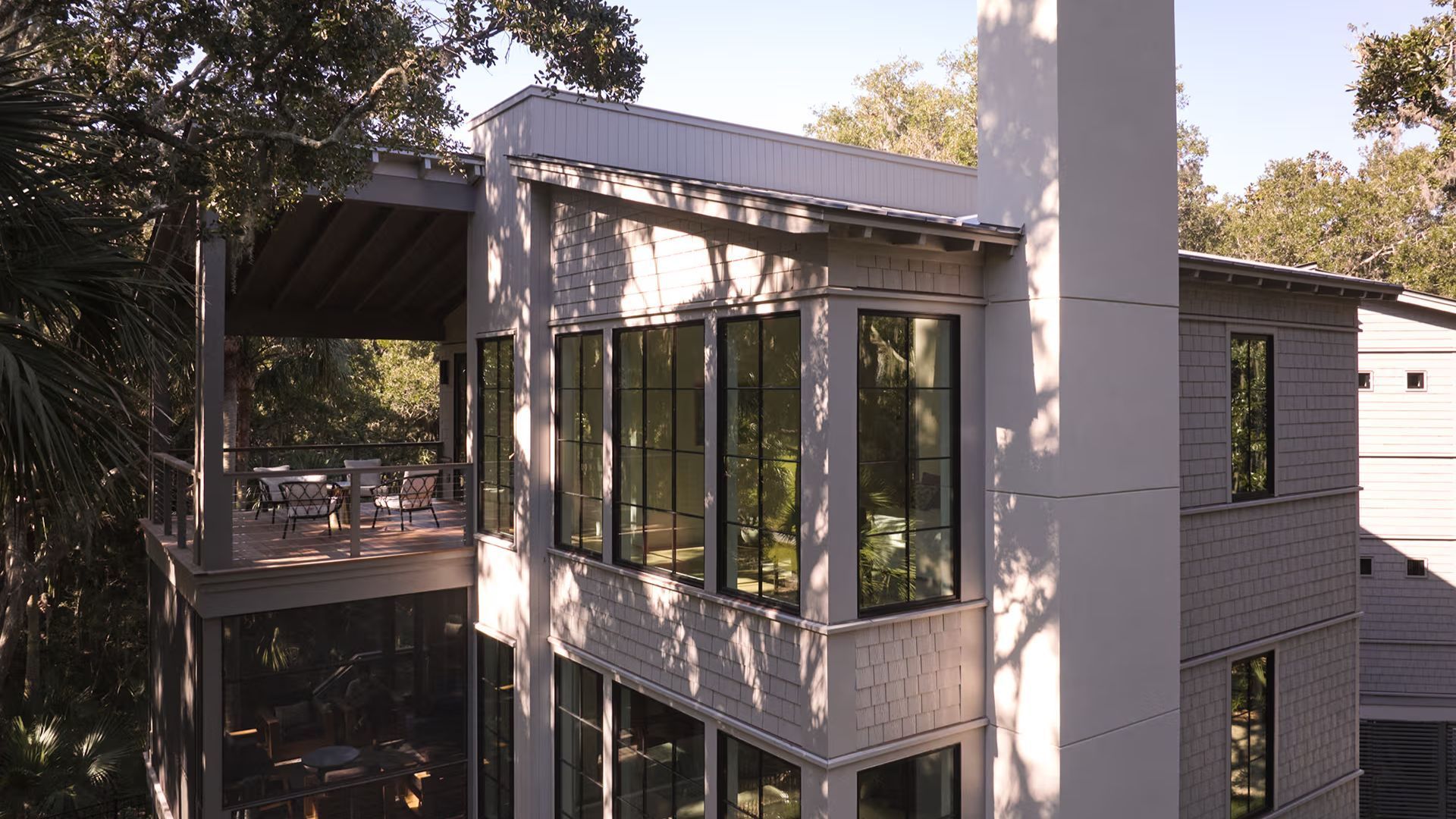
Let's start with a classic - the picture window. Imagine a giant, uninterrupted pane of glass that acts like a living painting, showcasing your stunning backyard or breathtaking cityscape. Picture windows are perfect for maximizing natural light, creating a seamless connection between your indoor and outdoor spaces. They're ideal for living rooms, bedrooms, or just anywhere you want to create a feeling of openness and bring the outdoors inside. When paired with a great front door, this can be the ultimate statement. 


2. Casement Windows 

Clean lines and a minimalist aesthetic? Casement windows are your BFF. These windows operate by cranking a handle, causing one or more sashes (the part that holds the glass) to swing open. They offer excellent, controllable ventilation, allowing you to direct fresh breezes exactly where you want them. Plus, their simple design beautifully complements the clean lines of modern architecture


3. Sliding Windows 

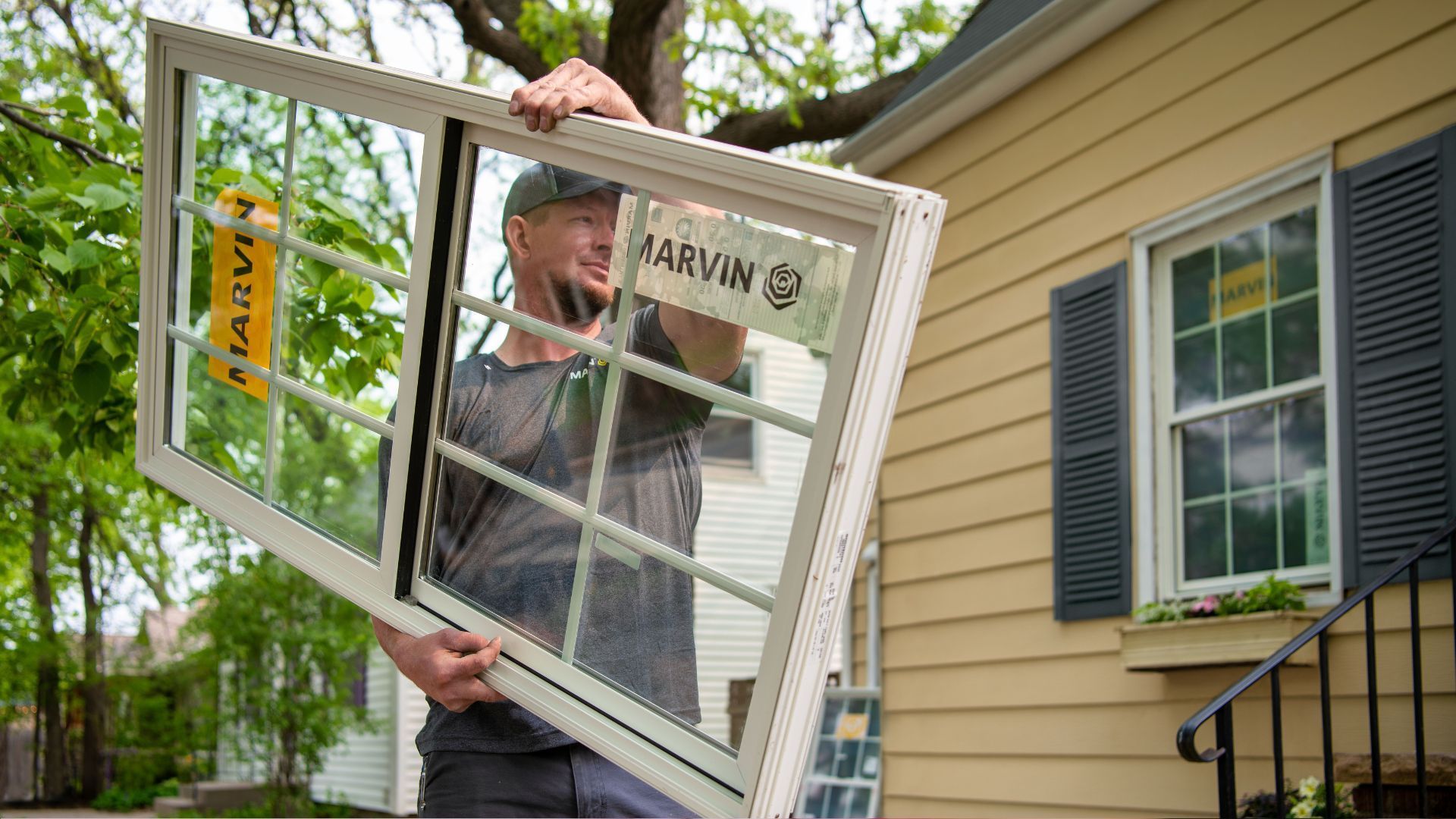
For a sleek and space-saving option, consider sliding windows. These windows (as the name suggests) slide in style on a track, offering a wide opening for ventilation and easy access to balconies or patios. They're perfect for rooms with limited space around the window (like kitchens or bathrooms) and their smooth operation adds a touch of modern sophistication. 


4. Awning Windows 

Living in a rainy climate, awning windows are perfect for you! These windows hinge at the top and open outwards, (like an awning, unsurprisingly). This clever design allows natural ventilation that keeps the rain out and lets fresh air in. They're perfect for bathrooms, basements, or anywhere needing extra ventilation, regardless of the weather.


5. Double-Hung Windows 

Double-hung windows are essentially two vertically stacked sashes that can be opened independently, giving you double the fun! This allows for ultimate ventilation control – want fresh air at foot level? Open the bottom sash. Need to catch a breeze higher up? Slide open the top sash. Plus, cleaning them becomes a breeze (pun intended) since you can access the entire glass surface from inside. 


6. Bay and Bow Windows 

Looking to create a dramatic focal point in your room that maximizes natural light? Bay and bow windows are your answer. Bay windows project outwards from the wall, creating a three-dimensional nook that's perfect for a cozy reading chair or a small indoor herb garden. Bow windows are similar, but they have a curved shape, offering a more panoramic view. These are perfect for a special spot like your sunroom, providing a neat, scenic view of your surroundings. 


7. Skylights 

Want to bathe your entire room in natural light from above? Well, look to the sky(light)! These windows are installed on your roof, transforming a dark and dreary space into a light-filled haven. They're perfect for bringing natural light into hallways, bathrooms, or even interior courtyards. There are so many possibilities that you could even say that the sky’s the limit! 


Choosing Between the Different Styles of Windows is too Easy 

Choosing the right window style depends on several factors, like your home’s overall design, natural light needs, ventilation requirements, and (of course) your personal taste. Don't be afraid to mix and match different styles – a combination of picture windows and casements can create a stunning visual effect, while awning windows paired with skylights can provide exceptional ventilation. 


Here at The Window & Door Store, our team of experts can help you find the perfect fit for the Cornhusker State’s best homes. And we get it – Nebraska weather can be a wild ride. We'll guide you through the entire process, making sure your windows are stunning, energy-efficient, and tough enough to handle anything Mother Nature throws their way. Swing by your showroom and let's work together to make your home shine like never before! 

SHARE THIS


LATEST FROM OUR BLOG
February 17, 2026
If you live in Nebraska, chances are you’ve noticed condensation on your windows at some point, especially during the colder months. While foggy glass or water droplets may look alarming, window condensation is a common issue in many homes and doesn’t always mean there’s something wrong with your windows. At Window & Door Store, we regularly talk with Nebraska homeowners who have questions about condensation, moisture buildup, and whether their windows are performing as they should. Because our climate brings cold winters, warm summers, and big temperature swings in between, condensation is one of the most common concerns we help address. Understanding why it happens and what can be done to prevent it, can go a long way toward protecting your comfort, energy efficiency, and home investment. What Is Window Condensation? Window condensation occurs when warm, moist air meets a cold surface, like window glass during winter. When the temperature of the glass drops below the dew point of the indoor air, moisture turns from vapor into liquid water on the surface of the window. This process is completely natural and is often more related to indoor humidity levels than the quality of your windows themselves. Why Window Condensation Happens in Nebraska Homes 1. Extreme Temperature Differences Nebraska winters bring cold outdoor temperatures that contrast sharply with warm indoor air. When heated air inside your home comes into contact with cold window glass, condensation can form, especially overnight or early in the morning. Homes with newer, energy-efficient windows often experience this more because these windows do a great job of sealing warm air inside, which can increase indoor humidity if ventilation is limited. 2. High Indoor Humidity Levels Everyday household activities create moisture, including: Cooking Showering and bathing Doing laundry Using humidifiers Even breathing When this moisture isn’t properly vented outside, it builds up in your home. High indoor humidity is one of the leading causes of interior window condensation in Nebraska homes, particularly during winter when windows remain closed for long periods. 3. Condensation Between Windowpanes If you notice moisture or fog between the glass panes of a double- or triple-pane window, that’s a different issue. This type of condensation usually indicates a failed seal in the insulated glass unit (IGU). When the seal breaks, outside air and moisture enter the space between panes, reducing the window’s insulation performance. Unfortunately, condensation between panes cannot be wiped away and typically requires professional repair or replacement . 4. Poor Airflow Around Windows Heavy curtains, closed blinds, or furniture placed too close to windows can restrict airflow. When warm, humid air gets trapped against cold glass, condensation becomes more likely. This is especially common on north-facing windows or in rooms with limited air circulation. Why Window Condensation Shouldn’t Be Ignored Occasional condensation isn’t unusual, but persistent moisture can cause problems over time, including: Mold and mildew growth Damage to window frames, trim, and drywall Peeling paint or warped wood Reduced energy efficiency Addressing condensation early helps protect both your windows and your home. How to Fix Window Condensation in Nebraska Homes 1. Lower Indoor Humidity Controlling humidity is one of the most effective ways to reduce condensation: Use bathroom and kitchen exhaust fans during and after use Run a dehumidifier in basements or high-moisture areas Vent dryers and appliances properly outdoors Avoid overusing humidifiers in winter Keeping indoor humidity levels between 30–50% can significantly reduce window condensation. 2. Improve Home Ventilation Proper ventilation allows moist air to escape and fresh air to circulate: Make sure exhaust fans are working properly Ensure HVAC systems are balanced and circulating air effectively Consider ventilation upgrades for tightly sealed homes Good airflow helps keep moisture from settling on cold window surfaces. 3. Inspect Window Seals and Glass Units If condensation is appearing between panes, it’s time to have your windows inspected. A professional evaluation can determine whether the insulated glass unit can be replaced or if a full window replacement is the best solution. Addressing seal issues early helps restore insulation performance and prevent energy loss. 4. Increase Airflow Around Windows Simple adjustments can make a big difference: Open blinds and curtains during cold weather Keep furniture slightly away from windows Avoid placing moisture-producing devices near windows Allowing warm air to circulate reduces the chance of condensation forming on the glass. Get Help from Window Experts Who Understand Nebraska Homes If you’re dealing with ongoing window condensation or suspect your windows may not be performing as they should, getting a professional opinion can make all the difference. The team at Window & Door Store works with Nebraska homeowners every day to evaluate window performance, identify moisture-related issues, and recommend solutions designed for our unique climate. Whether you need advice, repairs, or are considering upgrading to high-performance windows, working with experienced professionals helps ensure your home stays comfortable, efficient, and protected year-round.
December 11, 2025
Nebraska winters are known for bitter cold, strong winds, and heavy snow, and your windows and doors are the first line of defense. If they’re not properly maintained, small issues like drafts, cracked caulking, or worn weather stripping can quickly turn into major heat loss and higher energy bills. That’s why now is the perfect time for a seasonal home checkup. And if you discover anything that requires more than basic maintenance, The Window & Door Store is ready to help. Their team provides expert guidance, repair solutions, and high-performance replacement products designed for harsh Midwest winters. A winter maintenance routine doesn’t have to be complicated. These simple steps can keep your home warm, efficient, and protected all season long. 1. Check for Drafts and Air Leaks Drafts are one of the most common winter problems. Even small gaps can let in cold air and allow heat to escape, forcing your furnace to work harder. How to spot leaks: Run your hand around window and door edges. Use a candle or incense stick to detect moving air. Look for visible gaps or worn sealant. If you notice drafts that don’t go away after weather-stripping or caulking, The Window & Door Store can assess whether repair or replacement is needed. 2. Inspect and Replace Weather Stripping Weather stripping naturally wears down over time from use and outdoor exposure. Damaged or missing weather stripping is one of the fastest ways cold air sneaks inside. Signs it needs replacing: Cracks or pieces missing Flattened or brittle areas Difficulty getting windows or doors to close tightly This quick, inexpensive fix can dramatically improve comfort and reduce winter energy waste. 3. Clean and Lubricate Tracks and Hardware Dirt, ice, and debris can build up in window and sliding door tracks, making it difficult for them to seal properly. This can lead to poor insulation and even cause hardware to freeze. Give tracks a quick seasonal tune-up by: Vacuuming out dirt and debris Wiping surfaces with a mild cleaner Lubricating tracks, hinges, and latches with silicone spray Smooth operation ensures your windows and doors close tightly against winter conditions. 4. Refresh Exterior Caulking Caulk creates a vital moisture barrier. During winter, fluctuating temperatures cause caulk to expand and contract, which can lead to cracking. Inspect the exterior edges of your windows and doors for: Gaps or missing patches Dried, cracked, or crumbly areas Separation between caulk and siding Replacing worn caulk helps prevent water intrusion, rot, and long-term structural damage. 5. Look for Seal Failure or Condensation Issues While some interior condensation is normal in winter, moisture trapped between glass panes signals a failed seal. Seal failure reduces energy efficiency and can make rooms feel colder. Common signs: Persistent fog between panes Ice forming on interior glass Drafty areas around the frames If you see these issues, it may be time to consider repair or replacement, especially if the windows are older. 6. Make Sure Exterior Doors Seal Tight Your exterior doors take a beating in winter. Loose hinges, worn door sweeps, and misaligned frames all allow cold air inside. Check for: Light coming through edges Air movement along the bottom sweep Difficulty latching the door securely A simple adjustment or new sweep can restore a proper seal and keep the air warm where it belongs. 7. Keep Snow and Ice Away from Frames Snow piled against your home can cause moisture problems for window and door frames. Best practices include: Clearing snow a few inches away from exterior trim Removing ice from door thresholds and window wells Avoiding metal tools that can scratch frames Preventing moisture buildup helps protect your home’s structure and finishes. 8. Consider Upgrading Older Windows and Doors If your windows or doors are 20 years old or more, winter may reveal their age through drafts, foggy glass, or uneven temperatures in rooms. Modern products offer superior energy efficiency, durability, and insulation. The Window & Door Store can help you explore options that fit your home, your aesthetic goals, and your energy-saving needs. Stay Warm, Efficient, and Protected This Winter With unpredictable Nebraska weather, maintaining your windows and doors is essential. These simple steps can improve comfort, prevent damage, and keep heating bills under control. If you need expert help, The Window & Door Store is here to make sure your home is fully prepared for winter with trusted advice, professional service, and high-quality products built to stand up to the cold. With four convenient Nebraska locations , their team is always close by when you need support, guidance, or replacement solutions. Contact us today!
front door of a home
October 14, 2025
As the leaves 🍁 turn golden and the crisp autumn air rolls in, there’s nothing quite like settling in with a warm drink that matches your mood. What if that drink could also reveal which door style suits you best this season? At The Window & Door Store , we believe your choice of doors should feel personal, just like your fall favorite. Read on to discover which autumn drink you are, and the door style that matches your vibe. ✨ 🍂 Pumpkin Spice Latte → Carpenter Door If you’re cozy, welcoming, and timeless, you’re the Pumpkin Spice Latte and your perfect match is the Carpenter Door . Carpenter doors exude warmth like rich woods, classic craftsmanship, and design that feels like home. Just as a pumpkin spice latte blends warm spices, creamy flavor, and comforting aroma, a carpenter door gives your entrance a sense of tradition and invitation that never goes out of style. If you crave comfort 🧣 and classic elegance this season, this is your pairing.

Your Home's Happily Ever After Starts Here 

Rewrite Your Story with Light, Comfort, and Expert Guidance from The Window & Door Store. 

SEE THE DIFFERENCE